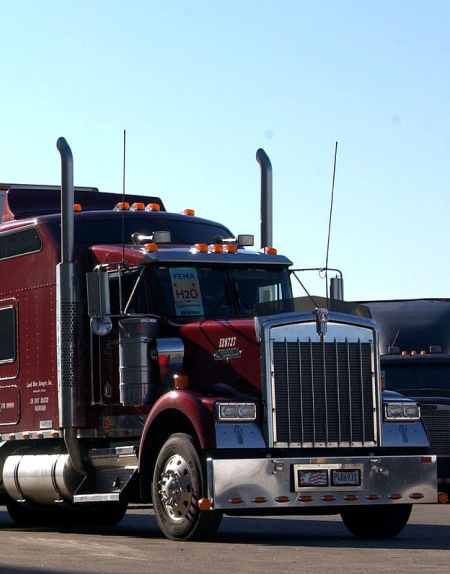




The trucking and transportation industry is on the cusp of a dramatic transformation in 2025. With advances in technology, changes in global trade patterns, and growing demands for sustainability, the landscape is rapidly changing. As we enter the new year, several trends and innovations are poised to reshape the sector. Let’s take a look at some key predictions for what the future holds for trucking and transportation.
- Autonomous Trucks and Driver Assistance Systems
While fully autonomous trucks may still be a few years away from widespread adoption, 2025 is likely to see significant advances in this area. Semi-autonomous trucks equipped with advanced driver assistance systems (ADAS) are expected to become much more common. These systems will help reduce human error, improve safety, and streamline operations.
Companies like Waymo and Aurora are already testing self-driving technology on public roads, and by 2025 we can expect to see large-scale testing in specific regions or on pre-defined routes. While there may still be challenges to overcome, including regulatory hurdles and public perception, the potential to reduce labor costs and improve safety makes autonomous trucks an exciting prospect for the industry.
- Supply Chain Integration and Smart Logistics
As e-commerce continues to grow, trucking and transportation companies will be forced to implement more sophisticated supply chain solutions. In 2025, supply chains are expected to become more integrated with real-time tracking and data analytics. Trucks will be equipped with sensors that will provide immediate feedback on vehicle performance, cargo status, and potential delays.
AI-powered logistics platforms will optimize routes and schedules in real time based on traffic, weather, and road conditions. With these advanced forecasting capabilities, companies can deliver more efficiently, reduce empty miles, and improve customer satisfaction.
- Sustainability Initiatives and Carbon Emissions Goals
Sustainability is quickly becoming a top priority for trucking companies. Governments are tightening environmental regulations, and consumers are increasingly demanding greener practices. By 2025, significant investment is expected in sustainable technologies such as hydrogen fuel cells, biofuels, and alternative energy sources.
Truck companies will look to diversify their fleets, using a mix of electric, hydrogen, and hybrid vehicles to meet the needs of different routes and cargo types. Carbon offset programs and stricter emissions standards are likely to be implemented to meet global climate goals. As a result, trucking companies that proactively implement sustainable practices will not only adhere to regulations, but will also build a positive brand image among environmentally conscious consumers.
- Electrification and the Rise of Electric Trucks
Electric vehicles (EVs) are no longer a distant dream, but an inevitable reality for the trucking industry. By 2025, we can expect electric trucks to become increasingly common on the road. Tesla’s long-awaited Cybertruck and other electric heavy-duty trucks from companies like Volvo and Freightliner are set to take center stage. As battery technology improves, these trucks will not only be more affordable, but will also be able to travel longer distances. This shift to electric trucks will significantly reduce emissions and lower operating costs in the long term.
As governments around the world set ambitious sustainability goals, including zero-carbon transport systems, pressure to adopt electric trucks will increase. The construction of EV infrastructure, including charging stations along major highways, will also increase to support this transition.
- Labor Market Shifts and Workforce Challenges
With the rise of automation and electrification, the workforce within the trucking industry will face considerable shifts. While autonomous trucks may reduce the need for long-haul drivers, there will be an increased demand for technicians and engineers to maintain and repair electric and autonomous vehicles. In addition, the industry may see new roles focused on managing data analytics and advanced logistics systems.
At the same time, there’s an ongoing shortage of drivers, particularly in the U.S., and this issue is expected to persist through 2025. Companies may address this shortage by improving working conditions, offering better wages, and leveraging technology to streamline processes. However, the industry will need to be proactive in attracting new talent and adapting to changing labor needs.
- The Rise of Mobility as a Service (MaaS)
In the coming years, the concept of "Mobility as a Service" (MaaS) will gain traction. This model, which emphasizes the seamless integration of various transportation options (from trucks to public transit), will allow businesses and individuals to plan, book, and pay for transportation using a single digital platform.
For trucking and transportation companies, MaaS means more efficient fleet management, as well as the potential to collaborate with other transport providers. For consumers, MaaS offers a highly flexible and convenient way to move goods or people using a variety of modes of transport, all while minimizing costs and environmental impact.
- Blockchain and Transparency in Logistics
Blockchain technology will become an important tool for enhancing transparency and traceability within the trucking and transportation industry. In 2025, many companies will have adopted blockchain to track shipments, verify transactions, and maintain tamper-proof records of the supply chain.
This will not only improve operational efficiency but also reduce fraud and help prevent counterfeiting in the movement of goods. Enhanced visibility into the entire logistics process will provide customers with real-time updates on their shipments, increasing trust and satisfaction in the service.
Conclusion: A New Era for Trucking and Transportation
The trucking and transportation industry is on the brink of significant change. With the continued evolution of electric trucks, autonomous driving, smarter logistics systems, and greater emphasis on sustainability, the industry in 2025 will look vastly different from today. Companies that embrace these innovations and adapt to new demands will be best positioned for success in an increasingly competitive and environmentally-conscious world.
The road ahead for trucking and transportation is filled with exciting opportunities, challenges, and groundbreaking innovations that promise to redefine the way goods move across the globe. As the sector enters this new era, the potential for change is boundless—creating a more sustainable, efficient, and interconnected transportation system for all.