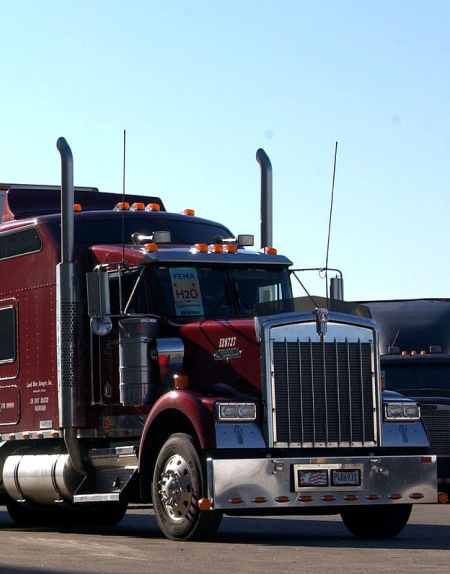





The trucking industry is gearing up for a series of significant regulatory shifts in the coming years, with the Federal Motor Carrier Safety Administration (FMCSA) leading the charge on initiatives aimed at improving safety, sustainability, and operational efficiency. These proposed changes may affect small and large fleets alike, with some regulations set to take effect as soon as spring 2025. Here’s a breakdown of key regulatory updates, their implications, and how small fleets can stay ahead.
1. Automatic Emergency Braking (AEB) Systems: A New Safety Mandate
Overview: Starting in 2025, the FMCSA is considering a rule that mandates the installation of Automatic Emergency Braking (AEB) systems in new heavy trucks, specifically Class 3 to Class 8 vehicles. The rule would also require existing trucks to be retrofitted within a set timeframe: three years for Class 3 to 6 trucks (10,001–26,000 pounds) and four years for larger Class 7 and 8 vehicles (over 26,000 pounds).
Impacts: The AEB system is designed to reduce the frequency of collisions and save lives, with an expected reduction of 19,118 crashes annually, leading to around 155 lives saved each year. The cost for retrofitting or upgrading trucks is estimated at $1,500 to $3,000 per vehicle, which may present a financial strain for smaller fleets that rely on fewer trucks.
How to Prepare:
- Fleet Upgrades: Plan to purchase or upgrade trucks to meet AEB requirements.
- Driver Training: Integrate AEB system operation into safety training programs to ensure drivers understand its functionality.
2. Speed Limiters: Setting Boundaries on Truck Speeds
Overview: In May 2025, the FMCSA is expected to propose a rule that would limit the speed of heavy trucks, specifically those over 26,000 pounds. While the exact speed limit remains undetermined, the rule would mandate the installation of electronic speed governors.
Impacts: The initial installation costs for speed governors range from $500 to $1,500 per truck. Fleet operators may also experience logistical challenges, as reduced speeds could increase transport times and impact scheduling.
How to Prepare:
- Stay Informed: Keep a close watch on FMCSA updates regarding speed limits.
- Test Limiters: Experiment with speed limiters on select vehicles to assess their effect on your fleet's operations.
3. Expanded Crash Preventability Determination Program (CPDP): Ensuring Fairer Accident Evaluations
Overview: The FMCSA’s CPDP will expand to cover new types of crashes, making it easier for fleet operators to contest accidents that may not have been preventable. New categories include accidents where other drivers cause side-impact crashes, lose control, or enter the roadway unexpectedly.
Impacts: This expansion ensures that fleets aren't penalized for accidents that were beyond their control, which can improve overall safety data accuracy and potentially lower insurance premiums.
How to Prepare:
- Review Past Incidents: Analyze your safety records to identify crashes that could fall under the new CPDP categories.
- Maintain Detailed Documentation: Implement a system for logging accidents with comprehensive evidence, including video footage if available.
4. Drug and Alcohol Clearinghouse: Strengthening Compliance
Overview: Starting in November 2024, FMCSA will require that drivers with a “prohibited” status in the Drug and Alcohol Clearinghouse lose their Commercial Driver’s License (CDL). This initiative is designed to promote road safety and eliminate substance abuse among truck drivers.
Impacts: Small fleets must regularly check the Clearinghouse for any violations, which could incur minor administrative costs. Training drivers on the importance of safety and zero-tolerance policies will also be essential.
How to Prepare:
- Regular Queries: Set up a routine for performing annual checks on each driver’s Clearinghouse status.
- Policy Development: Establish a clear, zero-tolerance policy regarding substance abuse and provide necessary support to help drivers stay compliant.
5. MC Number Elimination: Streamlining Carrier Identification
Overview: By October 2025, FMCSA plans to eliminate the use of Motor Carrier (MC) Numbers and transition to USDOT numbers as the sole carrier identifier. This change aims to simplify the registration process and reduce fraud.
Impacts: While this transition may involve some administrative effort, including updating records and notifying clients, the associated costs are relatively low compared to the potential savings gained from a more streamlined system.
How to Prepare:
- Update Records: Ensure all company records are revised to reflect the exclusive use of USDOT numbers.
- Staff Training: Educate your team on this change to ensure smooth implementation.
6. California’s Advanced Clean Fleets (ACF) Rule: Transitioning to Zero-Emission Vehicles
Overview: California’s new ACF regulation mandates that all new additions to drayage fleets be zero-emission vehicles (ZEVs) by 2035. This regulation will likely influence national standards, with other states such as New York and New Jersey following suit.
Impacts: Although the initial cost for ZEVs can range from $150,000 to $300,000 per truck, grants and incentives may help offset these expenses. However, fleets will also need to invest in charging infrastructure, which can be an added financial burden.
How to Prepare:
- Evaluate ZEV Options: For fleets operating in California or nearby states, start exploring electric or hybrid vehicle options.
- Take Advantage of Incentives: Investigate available government grants and subsidies to reduce the cost of transitioning to zero-emission trucks.
Key Takeaways:
- Stay Informed: Keep up with FMCSA announcements and regulatory updates.
- Plan Proactively: By preparing in advance, you can minimize the impact of these regulations and potentially improve efficiency and safety.
- Leverage Expertise: Utilize industry resources and expert guidance to navigate these regulatory changes and ensure compliance.
Conclusion: Preparing for a Safer and More Sustainable Future
These upcoming regulatory changes present both challenges and opportunities for fleets. While the initial costs may seem significant, the long-term benefits in safety, sustainability, and operational efficiency are considerable. By staying proactive, fleet owners can ensure a smooth transition and position their businesses for success in the evolving landscape of the trucking industry.
For expert advice and resources to help navigate these changes, reach out to TRUCKS_ADMIN today. We are committed to supporting you through this evolving regulatory environment and ensuring your fleet is ready for the future.